
Learn the Swimming Basics for Adults at Any Age
Annette Pinkston’s youngest swim student is three, and her oldest started lessons at 77, a number she brings up often because people tend to assume she’s exaggerating when she says it. She’s not exaggerating at all.
The 77-year-old woman walked into her first lesson having never swum a stroke in her life, and, according to Annette, she’s turned into “a real good swimmer” since then.
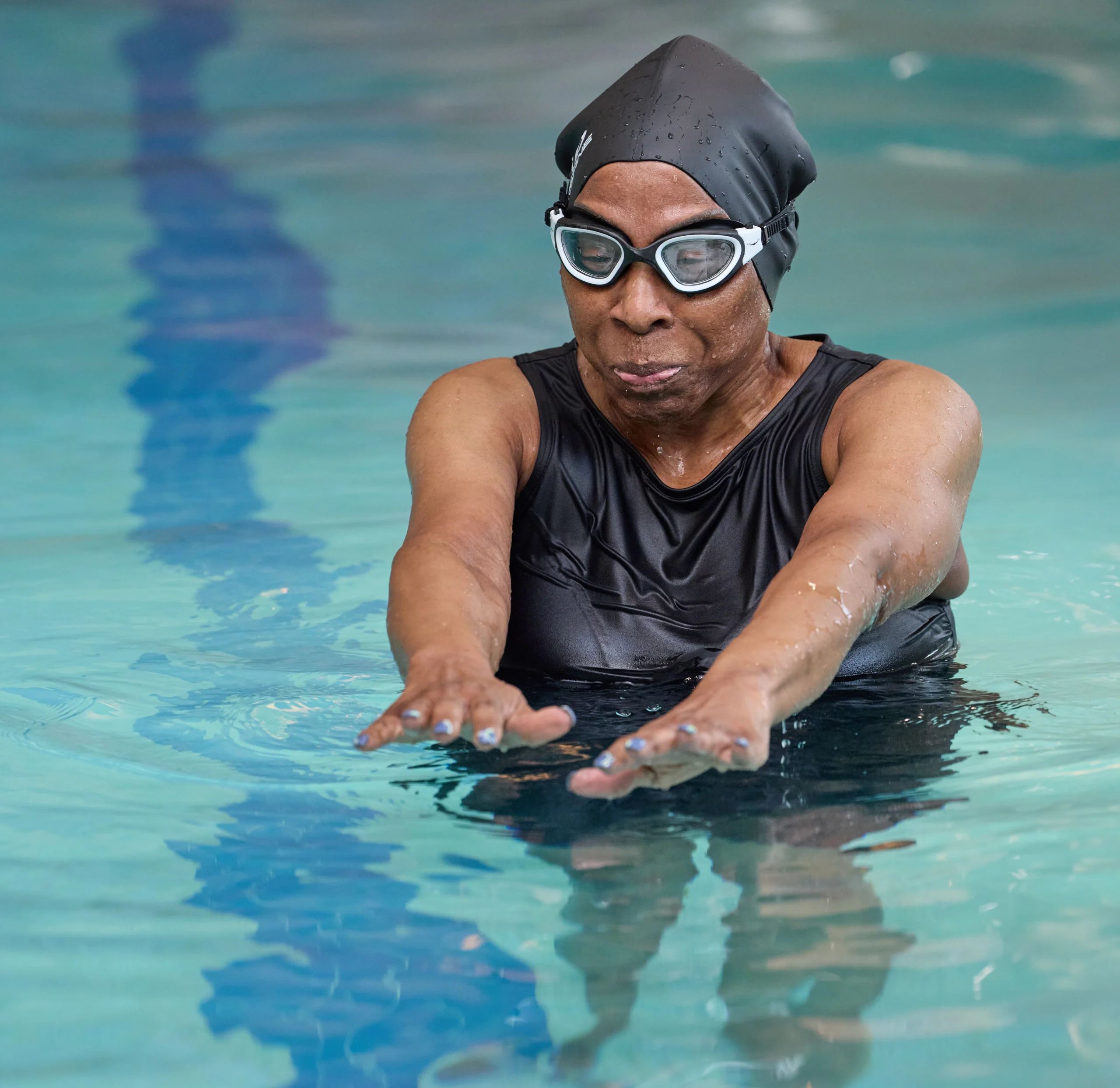
Maybe you’ve turned down a boat trip more than once, or you sit fully dressed on the sand while your family swims without you, or your stomach drops a little every time a grandkid cannonballs into the deep end and you realize you can’t follow them in.
If any of that sounds like you, this is a story about swimming basics for adults you’ll want to read.
The Woman Who Started at Age 77
Annette had already been teaching this woman’s granddaughter for a couple of years, and every week grandma sat on the pool deck watching the whole lesson unfold. At some point, after enough weeks of watching, she must have started thinking about trying it herself, and eventually she did.
She wasn’t a natural swimmer right off the bat, which is true of pretty much everyone who starts as an adult. By the third lesson, Annette asked her to try something, and she flatly refused, telling her, “I don’t want to do that.”
A lot of instructors might have backed off at that point and tried something gentler or changed the subject entirely, but Annette took a different approach to swimming basics for adults and named exactly what was happening instead of dancing around it.
“I know what it is that’s happening right now,” she told her. “You’re afraid, and I can deal with that. Let’s just try it this way.”
That moment ended up mattering more than any drill or technique they worked on afterward, because once the fear was spoken aloud instead of avoided, the two of them had something real to work with together.
The woman kept coming back to class, kept working through it, and now she swims with real confidence, at an age when a lot of people have already decided that particular ship has sailed for good.
An Instructor Who Practices What She Teaches
Annette is nearly 70 herself. Last year, she competed in the Northern Virginia Senior Olympics and took gold in the 50 freestyle and backstroke. Two golds, not bad for someone who could easily be relaxing at home instead.
She got back into the pool in her sixties, partly for her back, partly because of something she describes almost like a recurring vision: a cart that rolls by every ten years or so, loaded up with diabetes, high blood pressure, all the stuff that tends to catch up with people who stop moving. She says no to the cart. Every decade she keeps waving it on.
Her students watch her do this. Literally, she shows up with her own fins and snorkel and gets in the water with them. There’s a specific kind of impression that leaves an eight-year-old when they see their nearly 70-year-old coach swimming the same laps she’s asking them to swim. It’s not a lecture about lifelong fitness. It’s just her, in the pool, doing it.
Why Age Should Never Be the Barrier
A surprising number of adults avoid water for decades. Not because they don’t want to swim, but mostly because somewhere along the way it became embarrassing to admit they never learned.
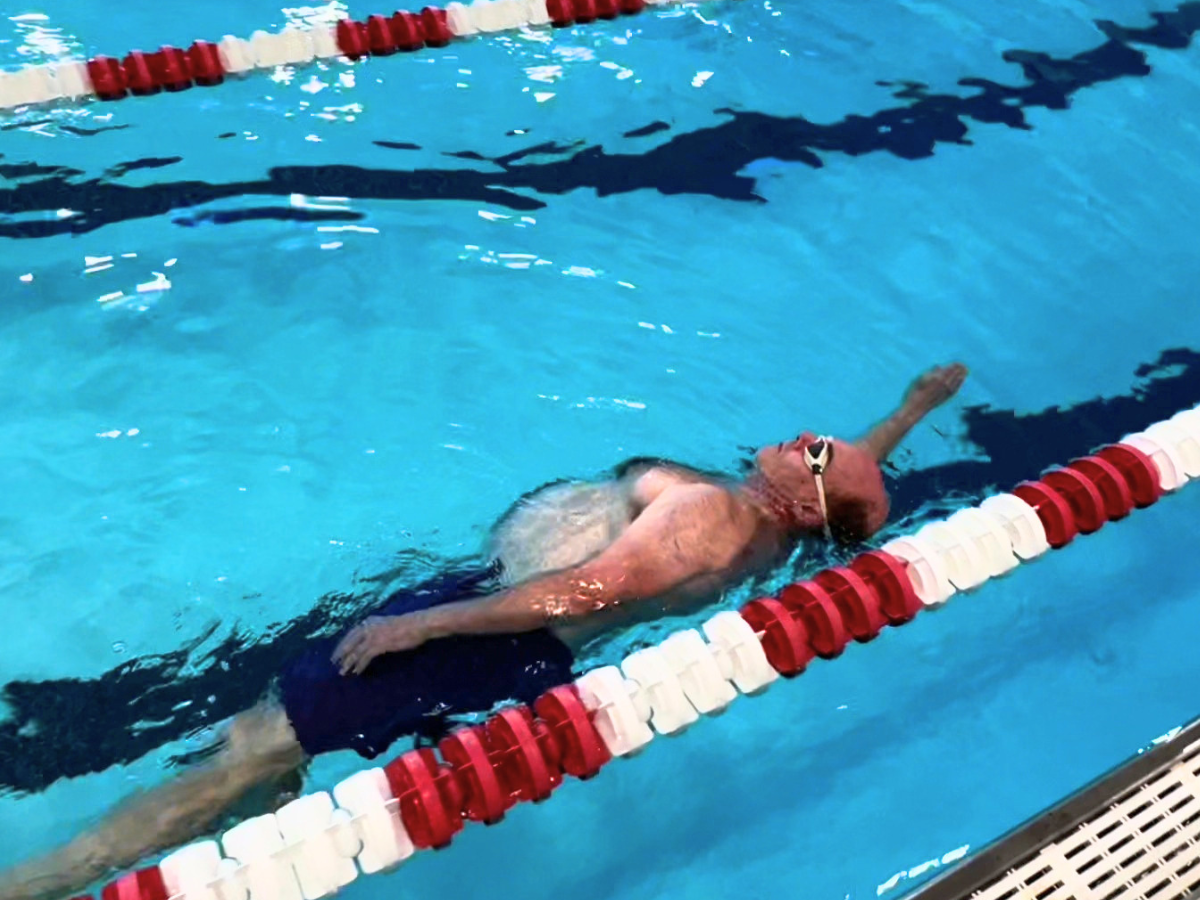
But water safety doesn’t come with an expiration date, and you can be 35, 55, or 75 and still learn to swim as an adult without it being too late, because the whole idea that there’s a cutoff age is really just something people tell themselves to avoid trying.
There’s also a real physical case to be made here, beyond just working through the fear, since swimming is one of the gentlest things you can do for aging joints. Swimming basics for adults may be the best exercise for seniors.
Water holds up around 90 percent of your body weight, which takes a significant load off joints already dealing with arthritis or years of general wear, and the same piece cites research on men over 70 who swim regularly, finding they were 33 percent less likely to fall compared to men who didn’t swim at all. That’s a number worth paying attention to if balance has become a concern as you’ve gotten older.
One-on-One Learn-to-Swim lessons help ease the embarrassment side of things, too, since it’s just you and an instructor in the water, with nobody watching your stroke, timing your laps, or judging you for never having done any of this before.
Annette’s whole approach centers on figuring out exactly where someone actually is when they start, whether that’s a kid who refuses to put their face underwater or a grandmother learning to float for the very first time in her seventies.
What to Expect From a First Adult Lesson
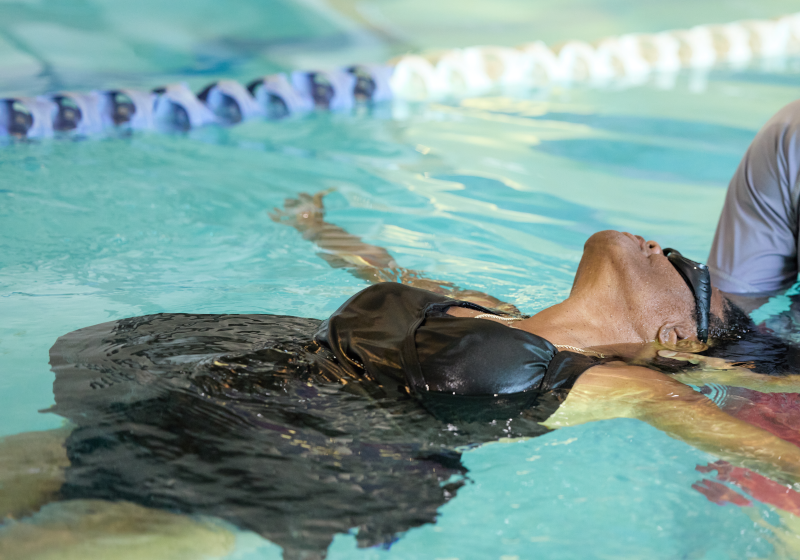
The first lesson is a lot less intense than most people imagine. Swimming basics for adults is mostly about getting used to being in the water, working on breathing, and starting to trust the person teaching you. That trust part matters more than the swimming part, honestly, because most of the fear isn’t really about the water at all.
Goals for adult beginners usually include:
- Feeling safe and relaxed in the water
- Learning to float and control breathing
- Building comfort in both shallow and deeper water
- Developing basic strokes at a comfortable pace
- Working through fear tied to bad experiences from the past
Not everybody who signs up wants to swim laps competitively or race anyone across the pool, and plenty of people just want to survive a pool party without panicking or feel okay wading in past their knees on a beach vacation, while others genuinely want the kind of independence in the water where they’d know exactly what to do if things went wrong.
Both reasons are perfectly good reasons to start lessons to learn the basics of swimming for adults, and a decent instructor asks what someone actually wants before deciding what those lessons should look like.
It’s Not Too Late
If part of you has been wondering whether you waited too long to learn, the honest answer is that you didn’t, since people learn to swim at every age and for every reason imaginable, whether that’s a doctor recommending something easier on aging joints or a grandkid finally convincing a grandparent to get in the pool after years of hearing no.
If that description fits you, or fits a parent who’s been avoiding water for as long as you can remember, reaching out for a private lesson consultation is a reasonable place to start, since nobody’s asking anyone to keep pace with another swimmer in the pool.
It really comes down to feeling safe in the water and having the option to say yes the next time an invitation comes along, instead of reaching for another reason to stay dry on the sidelines.
Reach out today to learn more about adult swim lessons near you and see what a private, self-paced lesson looks like, no matter what age you’re starting at.

