
Why swim skills are an important part of water safety, not a replacement for it
“But My Child Knows How to Swim”
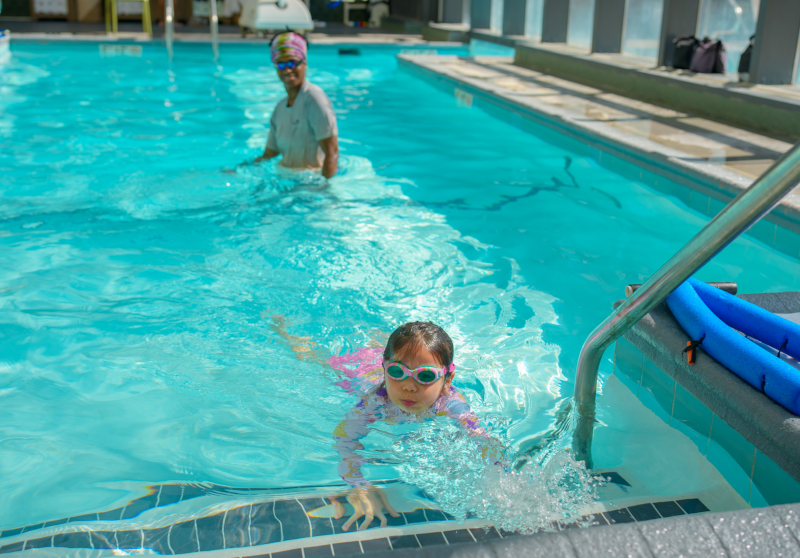
Picture this: you’re at the pool, and your child, who couldn’t stand up in the shallow end a year ago, is now floating on their back, kicking across the width of the pool, and swimming confidently to the wall. It’s a proud moment. You watch them show off a little, and you find yourself relaxing just a bit more than you used to.
That progress is real, and it’s worth celebrating. But it can also create a false sense of security.
WeAquatics instructor Laurissa Skinner, who has spent 50 years in the water herself and now teaches swimmers of all ages, sees this pattern often with the families she works with. Her advice is simple, and it’s the kind of thing that sticks with you:
“Being a good swimmer doesn’t make you safe. What it does is give you more time to react.”
That single idea is the heart of this article. Swim lessons give children genuinely valuable skills, but water safety still depends on active supervision and safe habits, no matter how strong a swimmer your child becomes.
Why Strong Swimming Skills Don’t Eliminate Water Risks
Even children who swim well can end up in situations that catch them off guard. It doesn’t take a weak swimmer to get into trouble. It takes an unexpected moment.
A few examples come directly from Laurissa’s experience teaching:
- Reaching into the water for a toy and falling in
- Becoming disoriented after unexpectedly entering the water
- Getting tired faster than they realize
- Being in unfamiliar water or surroundings
- Facing an emergency where swimming ability alone isn’t enough
Laurissa says this comes up most with parents of three- and four-year-olds:
“I’ve seen a lot of moms and dads want me to teach their three-year-old or four-year-old to swim, not realizing that that doesn’t necessarily make them safe, right? It gives them a few extra seconds to get rescued. But even a fairly strong swimmer at three and four can get into trouble really fast.”
Her message isn’t that swim lessons don’t matter. It’s that the skills a child builds in lessons buy an adult valuable time to respond in a moment that matters, not a green light to look away.
The stakes behind that advice are real: drowning remains the leading cause of death for children ages 1 to 4 in the United States, according to the Centers for Disease Control and Prevention.
Swim Lessons Are One Layer of Water Safety
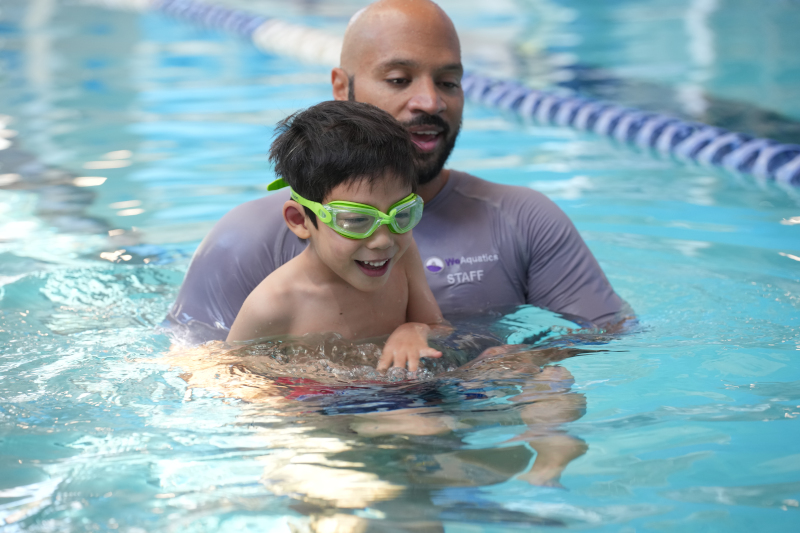
None of this means swim lessons are ineffective. Far from it. Learning to swim gives children real, lasting benefits. It just isn’t the whole picture.
Through swim instruction, children typically develop:
- Greater comfort in the water
- Familiarity with basic swimming movements
- Floating and breathing skills
- The ability to respond rather than immediately panic
- More confidence and independence as their abilities grow
These skills matter. They’re a meaningful layer of protection. But they work best alongside supervision and other water-safety habits, not in place of them. Think of swim lessons as one strong layer in a system, not the whole system on their own.
The American Academy of Pediatrics frames water safety the same way, recommending that families build multiple layers of protection around water, including swim lessons, close and attentive supervision, pool fencing, and life jackets on boats and in open water.
Water Safety Starts Before Your Child Gets in the Pool
Some of the most useful safety habits have nothing to do with swimming technique at all. They’re about how children behave around water before they ever get in.
Laurissa builds this directly into her lessons, working with both kids and parents together:
“I like to work with the parents and say, ‘I want you guys to watch this. Okay kids, whenever we’re near water, even if it’s just your bathtub, you sit like this with your hands behind you.’ Because kids fall in reaching for a toy, it’s not something they plan, and then they lose their perspective.”
That one rule, being careful about reaching for objects near water, addresses one of the most common ways young children end up in the water unexpectedly. It’s not about swimming ability at all. It’s about a habit.
The bigger idea here is that water safety shouldn’t be something a family only thinks about during swim lessons. It should become part of the routine at the pool, in the bathtub, or anywhere else water shows up in daily life.
Even Strong Swimmers Still Need Safety Precautions
If anyone has earned the right to feel invincible in the water, it might be Laurissa. She’s been swimming for about 50 years, swam competitively on a swim team, and by any measure is a strong, experienced swimmer.
She still wears a life jacket every time she’s on a boat.
“I tell my students all the time: I’ve been swimming for 50 years. I swam on the swim team; I did all this. By anyone’s judgment, I’m a very good, strong swimmer. I still wear a life jacket in a boat. Because if I hit my head and go unconscious, it doesn’t matter how good of a swimmer I am if I am not aware of how to swim.”
That reasoning is what makes this story so memorable. Being knocked unconscious has nothing to do with stroke technique or years of experience. Precautions like life jackets exist for the moments when swimming ability simply doesn’t apply.
Taking safety precautions isn’t a sign of weak swimming. It’s a sign of understanding the water. Strong swimmers respect it too.
Teach Confidence Without Teaching Complacency
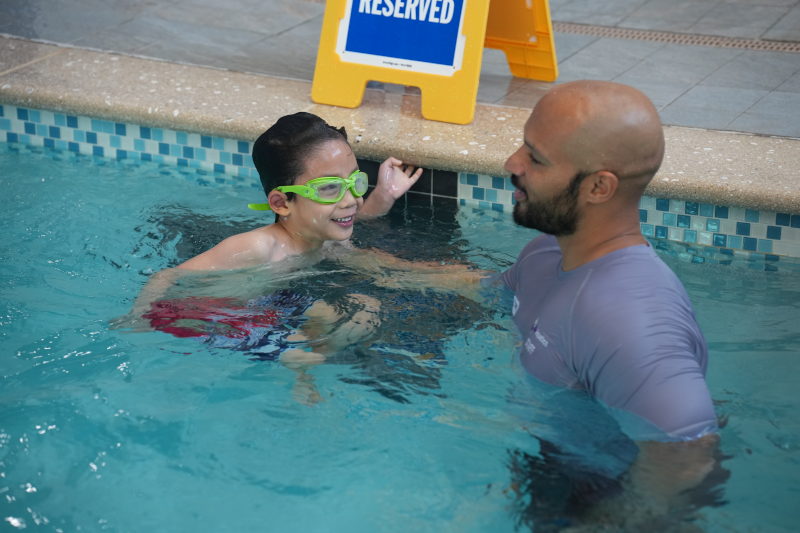
There’s a balance every parent is looking for: raising a child who feels proud and capable in the water, without raising one who feels invincible in it.
Children should absolutely feel good about becoming stronger swimmers. Parents shouldn’t make the water feel scary or make kids fearful of something they’re working hard to master. But as confidence grows, understanding of water safety should grow right along with it.
The goal is a simple formula:
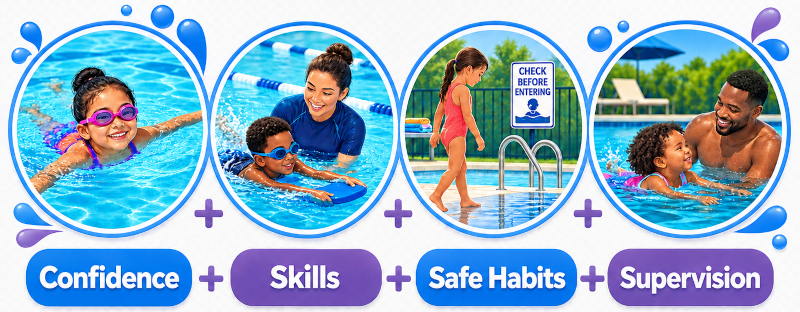
Swimming should stay something children genuinely enjoy while they also learn to respect the environment they’re in. The two aren’t in conflict. In fact, the most water-safe kids are usually the ones who are both confident swimmers and mindful of the water around them.
What Parents Can Reinforce Between Swim Lessons
Based largely on Laurissa’s advice, here’s a short, practical list parents can use at home and at the pool:
- Continue supervising even as swimming skills improve.
- Establish consistent rules for being around water, like sitting back from the edge instead of reaching for toys.
- Reinforce safe behavior around pools and during bath time.
- Practice the skills your instructor recommends between lessons.
- Model safe water behavior yourself.
- Don’t treat swimming ability as permission to relax water-safety precautions.
None of these require special equipment or a big time commitment. They’re habits, and like any habit, they matter most when they’re consistent.
Building Strong Swimmers and Safer Water Habits
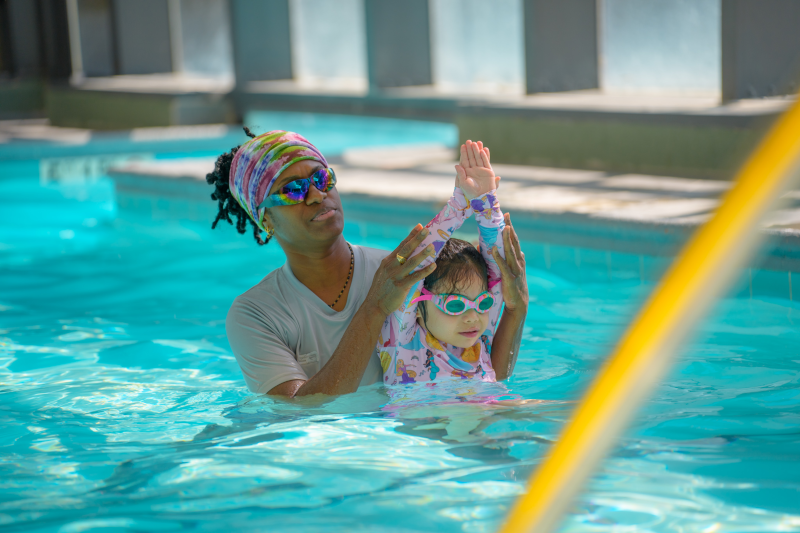
Learning to swim isn’t about giving parents permission to stop watching. It’s about giving children more skills, more confidence, and more experience so they’re better prepared around water, not so the adults around them can relax.
Laurissa’s central message is worth carrying with you long after your child finishes their next set of lessons:
Being a strong swimmer helps. Being a strong swimmer who also understands water safety is even better.
Ready to Build Both Skills and Safe Habits?
Help your child build swimming skills, confidence, and safer habits around water. WeAquatics offers swim lessons across DC, Maryland, and Virginia for every age and ability: from Infant Swimming Resource (ISR) lessons for babies and toddlers, to Learn-to-Swim lessons for children and adults, to group classes and adaptive swim instruction for swimmers with diverse needs.
Explore WeAquatics swim programs and find the right lesson option for your family.
