
Swimming Lessons for All Ages and Stages
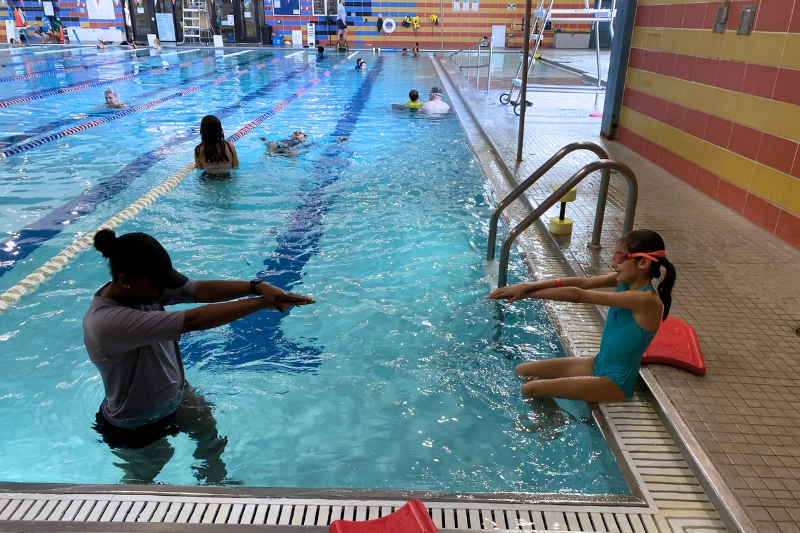
Most parents comparing individual swimming lessons start with schedule and price. While both do matter, we think it’s just as useful to look at what a swim school is trying to do for the people it teaches and for the people it hires to teach them.
Our founder, David Worrell, puts it plainly: “Our mission here has always been developing people. That’s why our programs are set the way that they are. That’s why our instructors have evolved the way that they have.”
Where Our Teaching Comes From
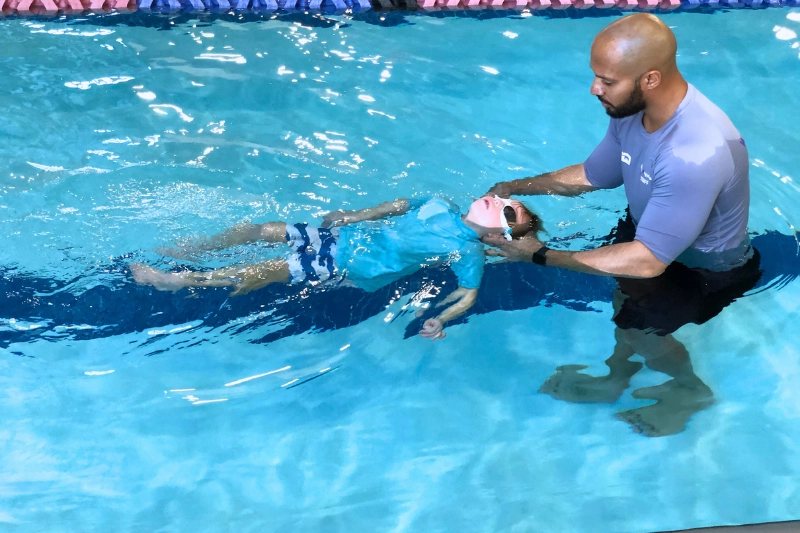
David and his brother Brad, both started teaching at an aquatic center in Saint Lucia. From there, they moved into Infant Swimming Resource (ISR) instruction, then learn-to-swim instruction, and finally coaching the swim team.
Each stage taught them something different about how swimmers learn, and much of what we do now comes from fitting those lessons together.
Individual Swimming Lessons Start With the Learner
One-on-one lessons put one swimmer and one coach in the water.
Personalized swim lessons describe what the coach does with that time: adjusting the explanation, the pace, and the next goal to the swimmer in front of them.
Our Learn-to-Swim program is built around coaching and pacing that follow a swimmer’s comfort, experience, and goals.
David learned to read swimmers as an ISR instructor, where the students are often too young to talk. His ISR training focused on nonverbal communication, enabling him to teach students with nontraditional learning styles, regardless of age. With an adaptive learner, he says he isn’t looking for coordinated movements as much as for where the head is positioned, how the person is pushing the water, and what he can do to change that.
That habit of watching the swimmer carries into every lesson we teach. A child nervous about water on their face and a child polishing a stroke will hear different explanations, even in the same program.
Safe Kids Worldwide recommends considering a child’s age, development, and how often they’re around water when choosing swimming lessons.
A coach can use a good deal more, so tell us:
- How your child communicates when they’re nervous or tired
- What earlier lessons were like, including anything that went badly
- What you hope lessons will help your child do
Why We Train Our Instructors
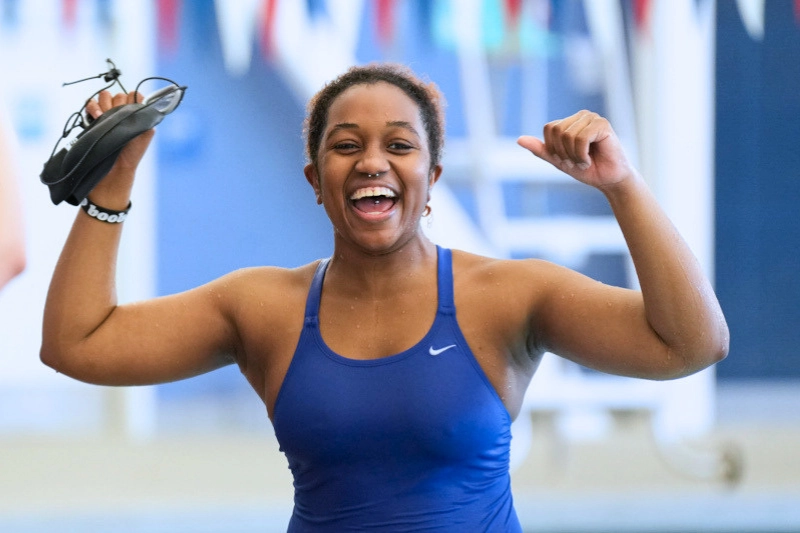
Our instructors can train to coach competitive swimmers, teach ISR, or work with adaptive learners through Swim Angelfish®. But Swim Angelfish® training isn’t automatic. The certification takes time and money, so we watch how an instructor teaches before putting them forward.
The training pays off beyond adaptive lessons. David says it “has helped in other areas that are not to do with adaptive learners, just as much as adaptive learners. Your outlook on teaching swimming is evolved and more mature.”
It also changes the conversation with families. When an instructor knows how a student learns, they can talk honestly about what progress will look like. David’s view is simple: “If we can manage expectations, everybody is served.” An instructor teaching from a standard curriculum without that knowledge may find the approach isn’t working and skills aren’t being mastered, which is frustrating for everyone involved.
For your child, an instructor with more training has more ways to explain the same skill. If your child needs a different approach, ask how the instructor decides what to change.
How Swimming Lessons Lead From One Program to the Next
Swimmers who start in ISR progress from initial swimming lessons to maintenance, then to Learn-to-Swim when they’re ready. Older children in maintenance begin working on streamline position and basic freestyle and backstroke, and David says ISR maintenance lessons are used “to prime them for Learn-to-Swim lessons.”
Plenty of swimmers arrive without ISR, and Learn-to-Swim welcomes beginners as well as experienced swimmers, with competitive goals available for anyone who wants them. Whichever way a child comes into lessons, children who have had swimming lessons still need close and constant supervision in and around water, according to the CDC.
Questions to Ask About Individual Swimming Lessons
If you’re comparing personal swimming lessons for your child, these are worth asking at pickup:
- What is my child working on right now?
- What did you change to help them understand or take part?
- What are we building toward, and does that match what we hope for?
Talk With Us About Your Child
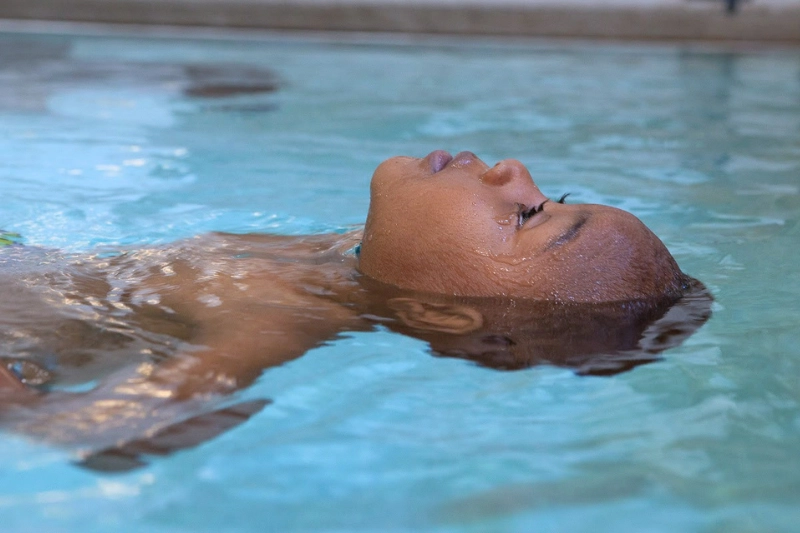
We hope every child who comes through our programs gets something from the experience, even those who only attend one lesson. As David puts it, that’s “our hopes and dreams for everyone that comes into contact with our programs and our facilities.”
If you’d like to talk about individual swimming lessons for your child, tell our team how they learn, what has and hasn’t gone well before, and what you hope lessons will do for them. Explore WeAquatics Learn-to-Swim and ask about a starting point that fits.
