
The Science Behind Safer ISR Swimming Lessons
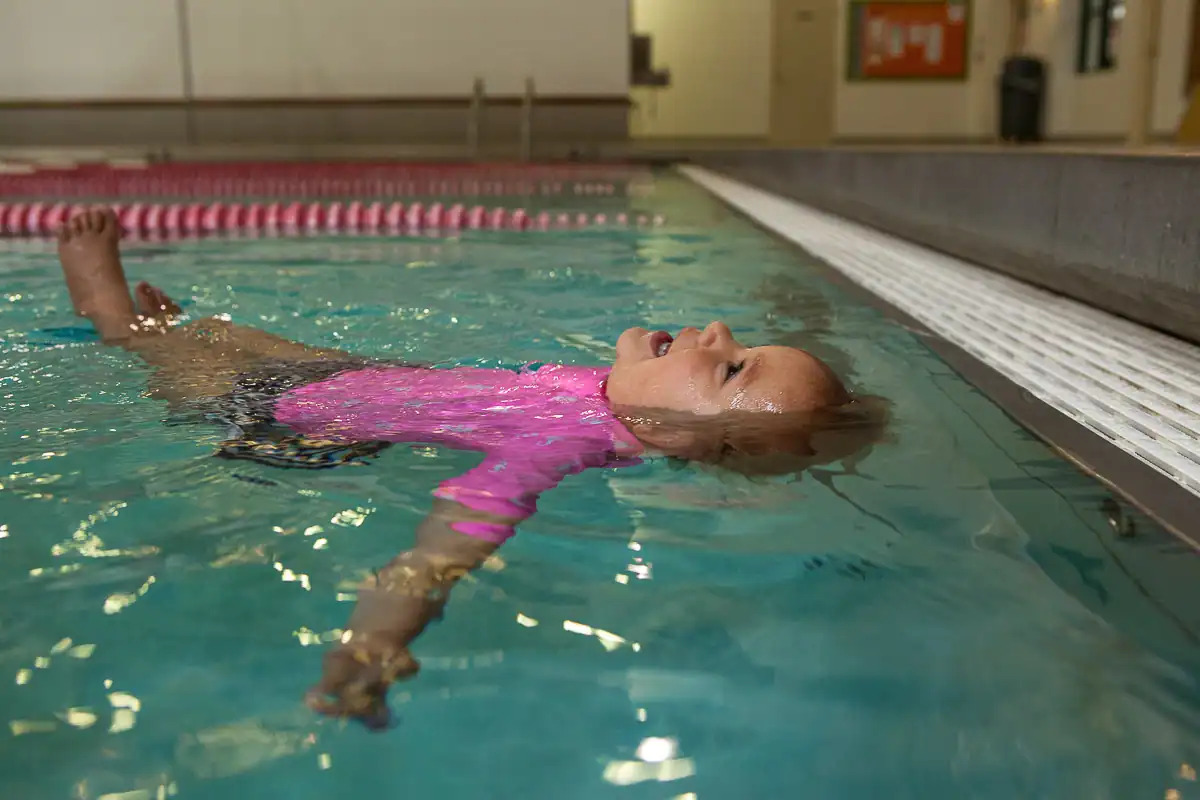
If you’ve ever looked at a schedule and thought, “Wait… only 10 minutes? I spend more time than that just getting the swim diaper on!”—you aren’t alone. It’s the number one question parents ask when they first look into infant swimming resource lessons.
In a world where we’re taught that “more is better,” a 10-minute session feels like a blink of an eye. But in the world of water safety, those 10 minutes are the “Goldilocks zone.” They are backed by serious science, high-level safety protocols, and a deep understanding of how tiny humans actually learn.
Here is why those 10 minutes are exactly what your child needs.
1. Working With Their Biology (Not Against It)
Infants and toddlers aren’t just “miniature adults.” Their bodies handle the environment very differently than ours do.
- The Chill Factor: Kids lose body heat incredibly fast—even in a heated pool. By keeping ISR swim lessons short, we prevent their core temperature from dropping and avoid the risk of hypothermia, which can happen much faster in children than in adults.
- The Fatigue Factor: Think of a lesson like a high-intensity workout for a toddler. Kicking and maintaining a float takes massive amounts of coordination.
If we pushed to 30 minutes, we’d run into physical exhaustion. By keeping it to 10 minutes, we ensure your child finishes feeling strong and successful, rather than cold and tired.
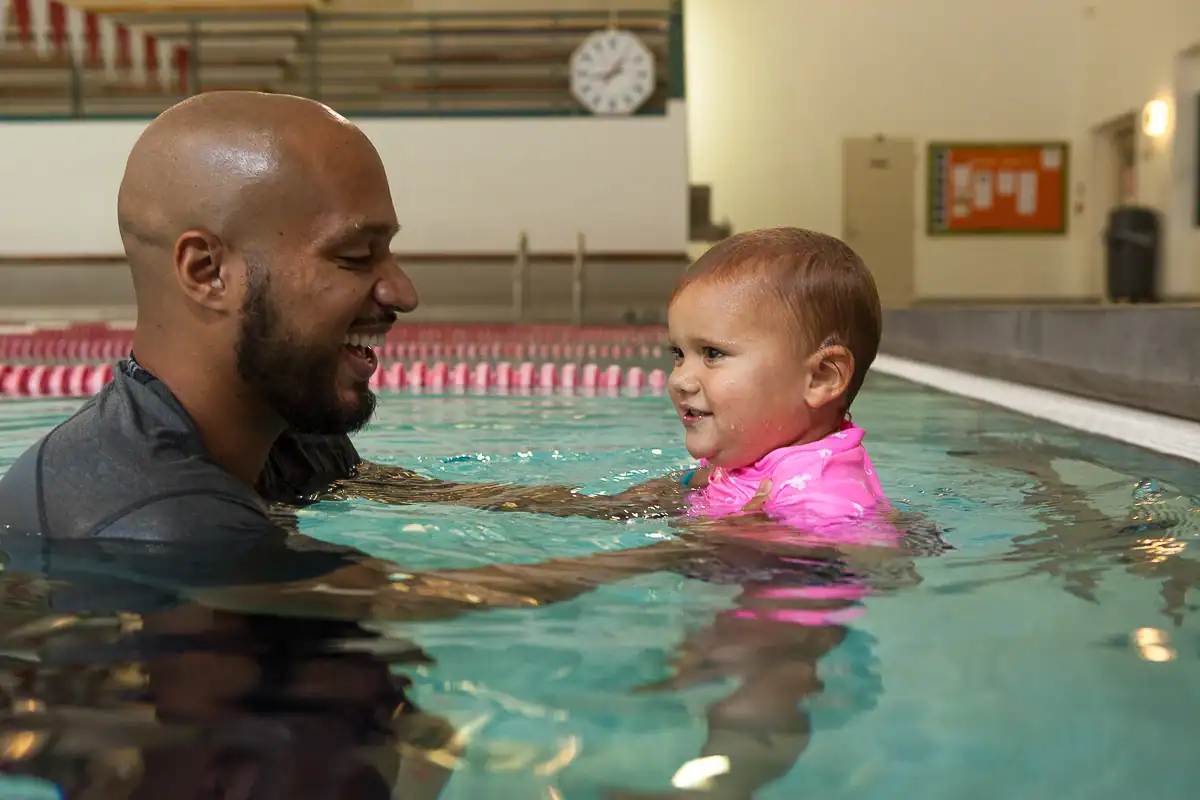
2. Maximizing the Learning Window in Infant Swimming Lessons
Have you ever tried to explain a complex task to a toddler? You usually have about a 60-second window before they’re distracted by a rogue ladybug.
Our infant swim lessons take advantage of that high-engagement window:
- Total Focus: For 10 minutes, your child is 100% “switched on.” There’s no downtime or distractions.
- The Power of Repetition: We trade duration for frequency. According to the American Academy of Pediatrics, drowning remains a leading cause of death for toddlers, and consistent, supervised instruction is a key layer of protection. By showing up 4–5 days a week, we build muscle memory. It’s much more effective for a child to learn in short, daily bursts than in one long session once a week where they’ve forgotten half the skills by the time they return.
3. The “BUDS” System: Safety You Can’t See
Before your child even touches the water, their instructor is looking at the BUDS sheet. This is our secret weapon for safety, tracking:
- Bowel movements
- Urine output
- Diet (What and when they ate)
- Sleep patterns
It might seem like TMI, but these details tell us exactly how your child’s body is functioning that day. If they didn’t sleep well or have an upset stomach, we adjust the lesson accordingly. This medical-level monitoring is what makes infant swimming resource lessons so much more than your average splash class.
Every Second Counts in ISR Lessons
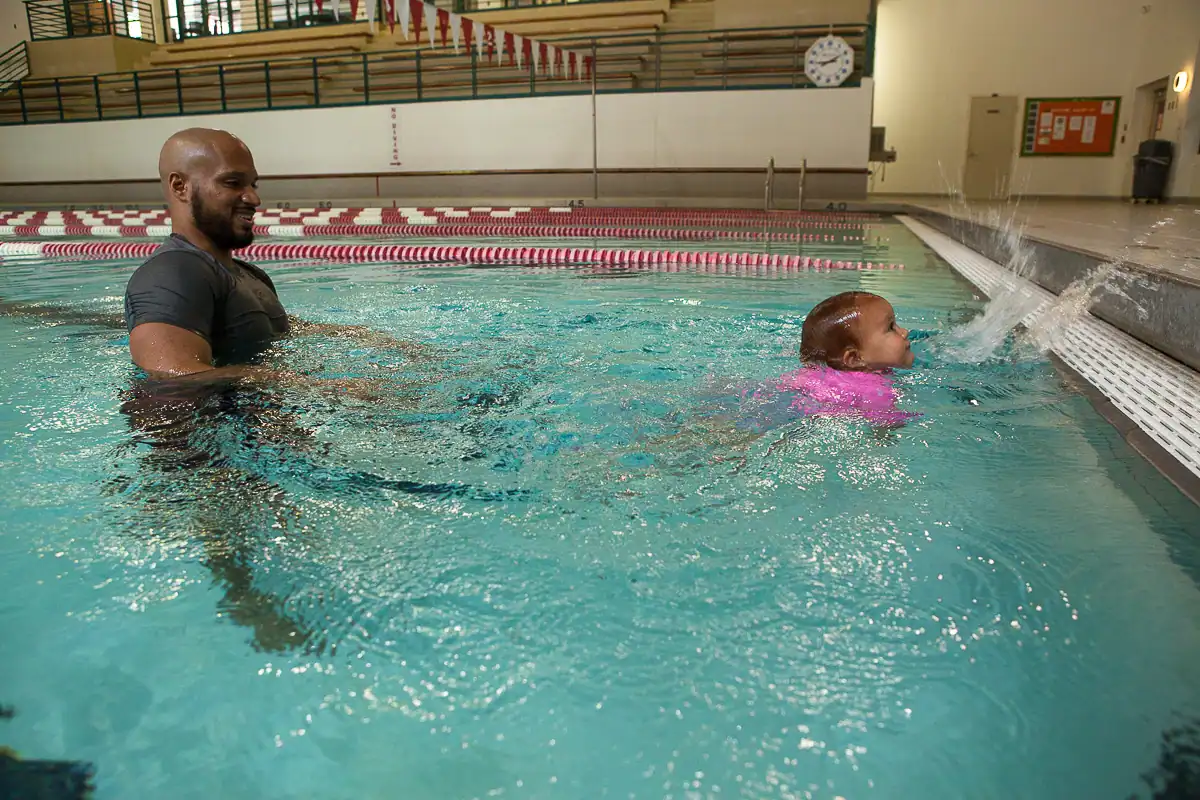
At first glance, 10 minutes seems short. But when you watch an ISR student go from splashing to rolling, floating, and breathing independently, you realize just how much can happen in that time.
At WeAquatics, we aren’t just teaching kids to love the water; we’re giving them the literal tools to save their own lives. Every minute of that lesson is purposeful, every protocol is intentional, and every success—no matter how small—is a step toward a safer future.
Ready to see what your child can do in 10 minutes?
We offer ISR lessons for ages 6 months to 4 years in heated indoor pools across DC, Maryland, and Virginia.
Learn more about our infant swim lessons and grab a spot today.
