
How Swimming Lessons Help Kids Build Confidence Before Memorial Day Weekend
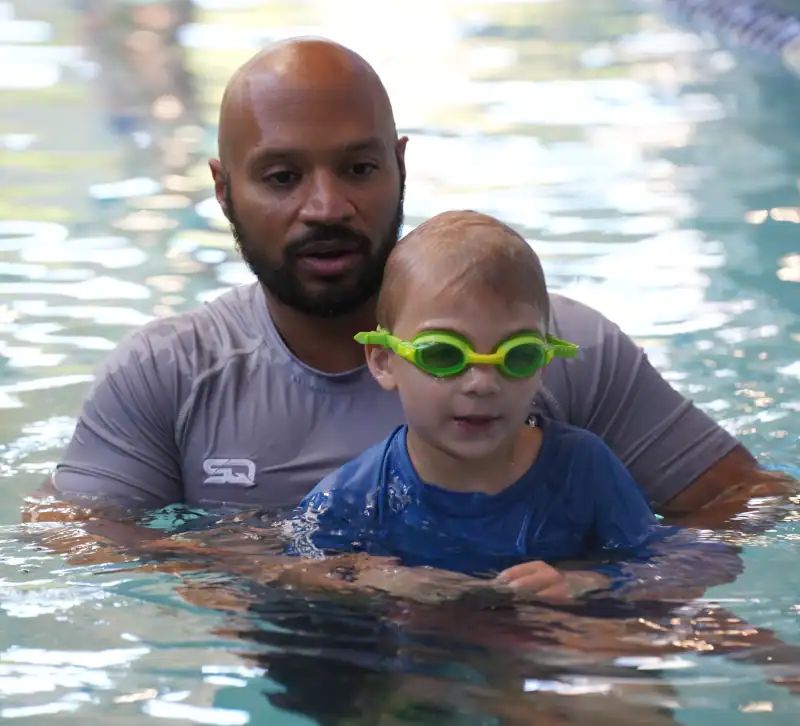
Memorial Day weekend often marks the beginning of summer. For many families, it is also when swim lessons start to feel especially important. As pools reopen, weekend plans take shape, and children get excited for that first big splash, parents naturally begin thinking about confidence, readiness, and water safety.
That is where Memorial Day swim safety comes into focus. A child may be eager for pool season and still need time to refresh key skills, rebuild comfort in the water, and practice safer habits. Thoughtful swimming lessons give children the chance to ease back into the water before the busiest weekends of the season begin.
For many parents, this time of year brings one big question: Is my child truly ready? Not perfectly polished, not fearless, and not suddenly an expert swimmer, just genuinely more prepared than they were a few weeks ago.
Being pool-ready for summer is not about checking one box. It is about building comfort, consistency, and trust in the water over time. The right instruction gives children a framework for what safer swimming feels like and helps parents feel more confident about the season ahead.
Why Swim Safety Matters
Memorial Day often sets the tone for summer. It is one of the first weekends when pools reopen, family schedules shift, and children begin spending more time around water. The energy is fun and celebratory, but that excitement can make it easy to assume a child is ready before they have had time to adjust.
Even children who ended last summer feeling comfortable may need a reset. Time away from the water can affect confidence, listening habits, and body awareness. A child who was eager last year may feel cautious now. Another may seem bold and excited, but still need reminders about boundaries, patience, and poolside behavior.
That is why swim safety is about preparation, not pressure. Instead of expecting children to jump back in and remember everything on their own, parents can create a gentler runway into summer; one built on practice, repetition, and confidence.
What It Really Means to Be Pool-Ready for Summer
The phrase pool-ready for summer can sound bigger than it needs to be. It does not mean a child should know every stroke, feel brave in every setting, or move through the water without hesitation. It simply means they are developing the skills and habits that help them participate more safely and comfortably.
For a younger swimmer, being pool-ready may look like putting their face in the water without distress, climbing out safely, or listening carefully when an instructor gives directions. For an older child, it may mean stronger breath control, better body position, or more awareness of how to move calmly in the pool.
Readiness also includes emotional confidence. A child who trusts the process, responds to guidance, and feels secure in the water is often better positioned to keep growing. That is one reason swimming lessons can be so effective this time of year.
How Swim Lessons Build Confidence Before Summer Begins
Children learn best when they know what to expect. In the water, that sense of familiarity matters even more. Swim lessons provide a consistent environment where children can practice with support, repeat foundational skills, and become more comfortable over time.
That consistency is powerful. It turns swimming from something uncertain into something recognizable. A nervous child may begin to relax once the water feels less unfamiliar. A child with big energy may benefit from routine and structure. In both cases, lessons create an environment where confidence can grow without being forced.
The strongest swimming lessons balance technique with trust. Children need opportunities to practice floating, kicking, reaching the wall, and entering or exiting the pool safely. They also need instructors who know how to create emotional safety and guide progress in a way that feels encouraging rather than overwhelming.
When children reconnect with the water before Memorial Day weekend, their first pool experiences of the season often feel less rushed and more positive. That early preparation can shape how they carry themselves in the water all summer long.
Why Swim Lessons DMV Families Choose Matter
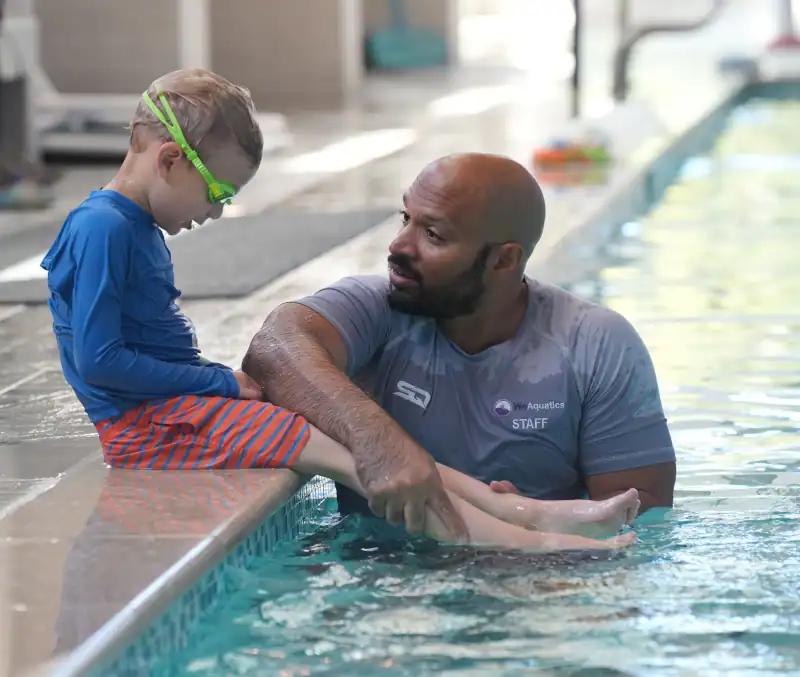
Families searching for a reputable DMV swimming lesson program are often looking for more than convenience. They are looking for a program that feels trustworthy, thoughtful, and aligned with how their child learns.
A high-quality swim program should meet children where they are. Some need a gentle reintroduction. Others are ready to strengthen foundational skills. The best environment supports both confidence and accountability, helping children feel secure while still encouraging them to stretch into new skills.
Parents often find that the right fit comes down to a few key qualities: clear and encouraging instruction, safety-focused teaching, age-appropriate pacing, a calm atmosphere, and consistency week after week.
In a premium swim experience, children should feel cared for as well as coached. When children feel seen and supported, they are more willing to try, more willing to listen, and more likely to build trust in themselves.
Five Foundational Skills That Support Safer Swimming
Before the first big pool day of the season, it helps for children to practice a few core skills. These do not need to be perfect by Memorial Day. They simply need to feel more familiar.
1. Floating
Floating helps children understand that the water can support them. Even brief moments of supported floating can improve body awareness and comfort.
2. Kicking and forward movement
Learning how to move with intention matters. Kicking, paddling, and working toward the wall can help children feel more in control.
3. Safe entry and safe exit
Getting into the pool safely is important, but so is getting out. Children benefit from practicing how to use steps, ladders, or the side of the pool with care.
4. Listening and waiting
Some of the most important safety skills happen before a child enters the water. Waiting for permission, pausing when asked, and following directions are all part of readiness.
5. Staying calm
Confidence does not always look like fearlessness. Sometimes it looks like taking a breath, trying again, and trusting that learning happens one step at a time.
How Parents Can Reinforce Safety Beyond Lessons
Swim lessons are an important part of preparation, but they are only one piece of the picture. Children absorb more when the same values show up consistently at home, on the pool deck, and during family swim time.
Often, the most effective support looks simple: reviewing pool rules before leaving the house, reminding children to wait for an adult before entering the water, or praising them for calm listening and steady effort.
Tone matters, too. Children respond well when adults sound calm, clear, and reassuring. If a child is hesitant, gentle encouragement can help. If a child is impulsive, clear boundaries delivered without panic can be just as valuable. The goal is to help children respect the water while continuing to feel capable in it.
Lessons provide the structure. Parents provide the reinforcement. Together, those two things help children move into summer with stronger habits and a steadier sense of readiness.
Start Summer With More Confidence
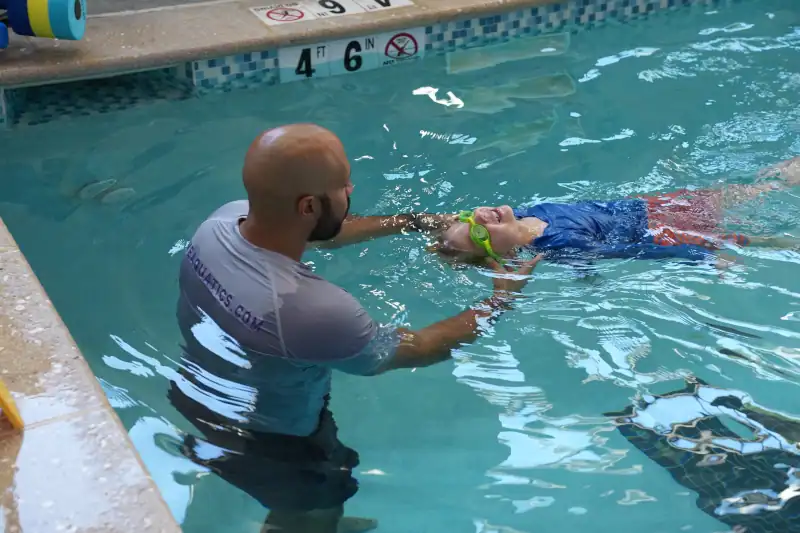
Memorial Day weekend may feel like the start of summer, but swim readiness begins before the first holiday pool day. Whether your child is rebuilding comfort, strengthening foundational skills, or learning how to follow safer pool habits, swimming lessons can help create a stronger start to summer.
The goal is not perfection. The goal is progress one lesson, one skill, and one confident moment at a time.
Help your child feel more prepared before summer pool days begin. Enroll in Infant Swim, Learn-to-Swim, Adaptive Swim or Group Swim lessons today and give your swimmer the confidence, safety skills, and support they need for a safer season in the water.
Frequently Asked Questions
1. What does Memorial Day swim safety really mean for families?
Memorial Day swim safety means helping children enter the season with refreshed skills, clear expectations, and steady support around the water. It is less about perfection and more about making sure the first pool experiences of summer feel thoughtful and well-prepared.
2. How do I know if my child is pool-ready for summer?
A child is becoming pool-ready for summer when they show growing comfort in the water, respond to guidance, and practice age-appropriate safety habits. Readiness often looks like a mix of confidence, consistency, and willingness to learn.
3. Are swimming lessons worth starting before Memorial Day?
Yes. Starting swim lessons before Memorial Day gives children time to reconnect with the water before pool days become more frequent and more social. That head start can make the beginning of summer feel calmer and more enjoyable.
4. Why do families look for DMV swim lesson options in late spring?
Late spring is when many families begin thinking ahead to summer schedules, vacations, and time at the pool. DMV families who book swimming lessons during this season often reflect a desire to build confidence and reinforce safer habits before summer is fully underway.
5. What should parents want from high-quality swimming lessons?
Parents should look for swim lessons that combine strong instruction with warmth, patience, and a clear emphasis on safety. The best programs help children feel secure enough to learn and supported enough to keep progressing.

