
From “Water Safe” to “Water Strong”: Keeping Older Kids Engaged.
Your child knows how to “not drown.” They’ve hit that point where they can jump in the deep end, do a decent lap of freestyle, and keep their head above water. For most kids—and honestly, for a lot of busy parents—it feels like the mission is accomplished. They’ve checked the box to learn to swim, and it feels like there’s nothing left to gain.
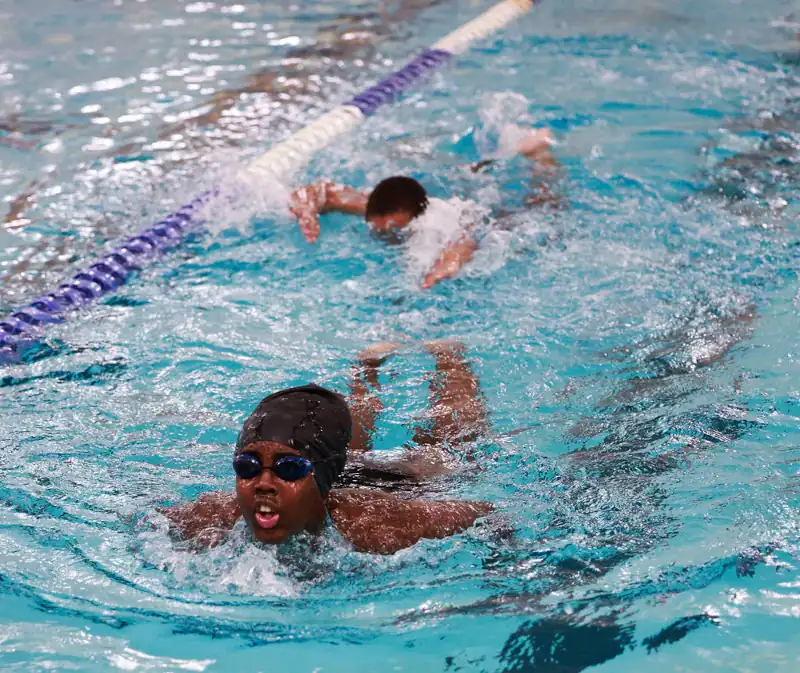
But here is the catch: when a child decides they are “done” with their learn to swim lessons just because they can stay afloat, they miss out on the real benefits of water mastery. Somewhere between the ages of 11 and 14, we see this “Mid-Level Plateau” constantly. To a child, if they aren’t struggling to survive, they think they’re finished. But there is a massive difference between being “water safe” and being a “strong swimmer.”
Moving Past the Plateau with Advanced Learn to Swim Lessons
It’s a classic trap. At this age, kids often get frustrated because they feel they’ve “graduated” from basic drills. They don’t see how doing laps helps them with their “real” sports like soccer or volleyball, and the sessions start to feel like a chore.
The fix isn’t to force them into the same old routine. It’s about shifting the goalpost from survival to performance.
The “Secret Weapon” for Other Sports
If your child is a multi-sport athlete, the pool is actually their best friend. Continuing to learn to swim at an advanced level is high-level cross-training.
Think about it: swimming builds massive lung capacity and core strength without the joint impact of a turf field. It’s the only sport that teaches “active recovery.” For a kid juggling a heavy sports schedule, a focused swim session builds the kind of “gas tank” that helps them outlast everyone else in the fourth quarter of a basketball game.
From “Lessons” to “The Squad”
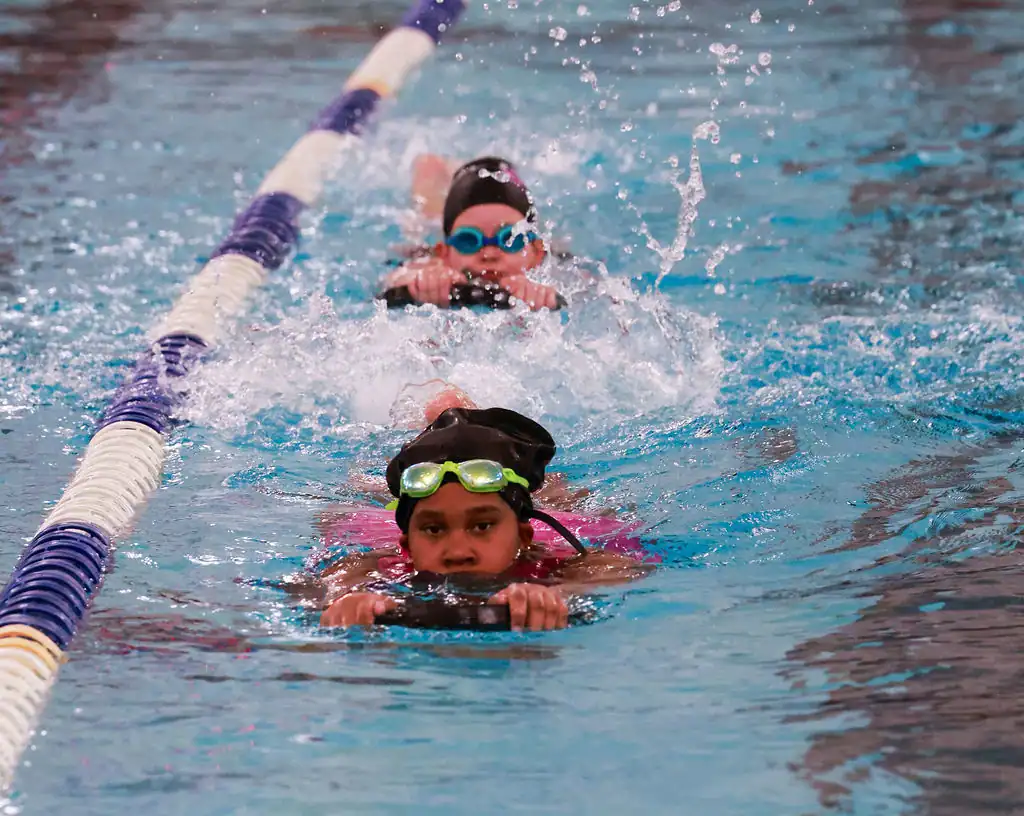
The truth is, at thirteen, it’s all about the social circle. If swimming feels like a solo task or a “class” they’re being forced to attend, they’re going to resist it.
That’s why we lean into the team environment. Programs like the WeAquatics Narwhals Swim Team turn a skill-building session into a social hour with a purpose. When they’re training alongside friends, they aren’t just “taking a lesson”—they’re part of a crew. That sense of belonging is usually the only thing that gets a teenager out of bed on a Saturday morning.
Why Specialized Learn to Swim Lessons Open Future Doors
We often forget that being a strong swimmer is a “passport” skill. If they stop at “good enough,” they might never feel confident enough to try the things that make being an adult or older teen fun:
- Adventure: Scuba diving on a family vacation or surfing with friends.
- Employment: Getting that first high-paying summer job as a lifeguard or camp counselor.
- Athletics: Competitive high school swim teams or water polo.
When a child truly commits to learn to swim with power and efficiency, they aren’t just staying safe; they’re opening doors to experiences they haven’t even dreamed of yet.
Turning “Good Enough” Into Real Skill
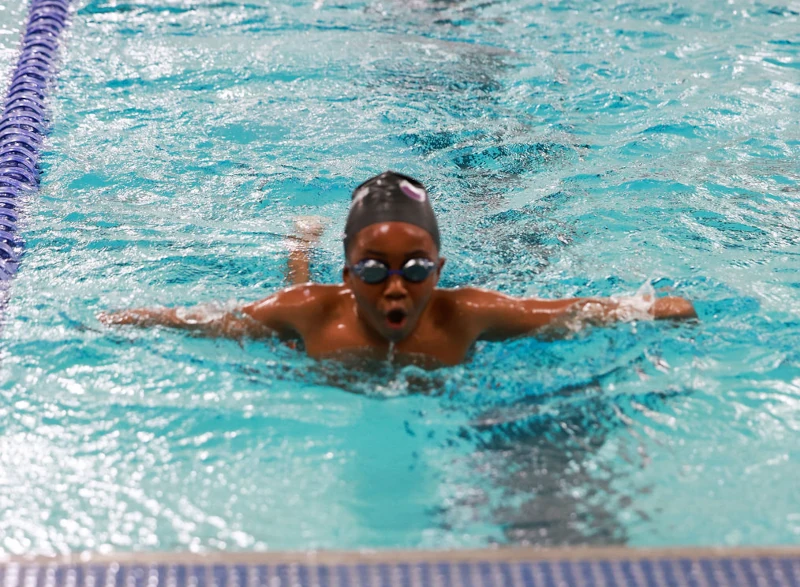
There’s a specific “click” that happens when a swimmer stops fighting the water and starts commanding it. It’s the moment their stroke becomes efficient and they realize they can swim a mile without feeling winded. Once a child feels that power, the boredom disappears. They stop “getting by” and start moving with purpose.
Don’t let them stop at “good enough.” Whether they need a competitive edge for other sports or just want to master the water, our intermediate and advanced programs are designed to keep big kids challenged and engaged.
Ready to level up? Explore our learn to swim lessons here.
