How ISR Lessons Build Core Survival Skills in the First Month
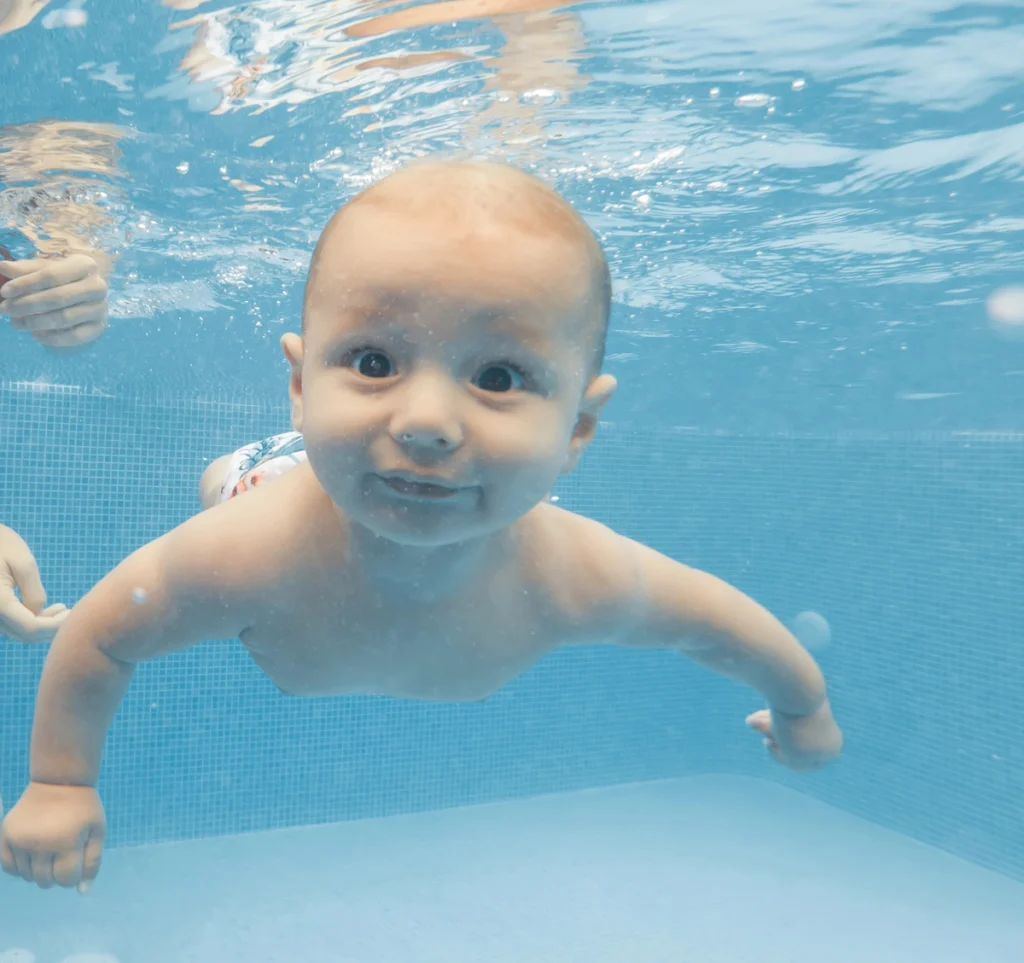
You’ve decided your baby should begin swim lessons, but with so many options available—from parent-and-child classes to Infant Swimming Resource™ (ISR)—it’s important to understand what a structured, safety-focused infant swim lessons program actually involves.
Parents often want reassurance that infant swim lessons are developmentally appropriate, effective, and emotionally supportive. Every baby brings their own personality, comfort level, and learning pace into the water, and infant swim lessons are designed to meet children exactly where they are.
At WeAquatics, we’ve guided thousands of families through their first experience with infant swim lessons, helping parents understand what realistic progress looks like during the first month of an infant survival swim program.
When Can Infants Start Swim Lessons?
One of the most common questions parents ask is when infant swim lessons should begin. ISR-based infant swim lessons are designed for children from six months to four years old.
By six months of age, most babies have developed the physical readiness needed for infant swim lessons, including improved neck strength, muscle control, and motor coordination. This developmental stage allows instructors to safely introduce foundational water survival skills.
At this age, infants beginning swim lessons are typically ready to:
- Hold their head steady independently
- Learn through demonstration and repetition
- Develop body awareness in water
- Begin foundational survival swimming movements
Six months is an ideal starting point for infant swim lessons because babies are physically capable and emotionally receptive, without yet developing fear of the water.
Why the ISR Structure Works for Babies
ISR-based infant swim lessons follow a proven structure: 10 minutes per day, five days per week. While this may seem short compared to traditional programs, this approach is intentionally designed around how infants learn best.
Short, consistent infant swim lessons:
- Prevent fatigue and overwhelm
- Reinforce learning through daily repetition
- Support emotional regulation
- Keep the experience positive and controlled
Each ISR lesson builds on the previous session, allowing children to progress safely and steadily over the first month.
This is also the perfect time frame because babies who participate in infant swimming lessons early on experience faster motor and cognitive development than their peers!
The First Month of Swim Lessons: What to Expect
Rather than measuring progress week by week, infant swim lessons focus on gradual development across the first month, allowing infants to build comfort, trust, and survival skills at a developmentally appropriate pace.
Early Days of ISR: Comfort & Trust
During the early days of infant swim lessons, the primary focus is building comfort and trust in the water. Skill mastery is not the goal at this stage. Infants are gently introduced to the pool environment while forming a positive relationship with their instructor.
Many parents worry about crying during early ISR lessons. Crying is a normal form of infant communication, and ISR instructors are trained to distinguish between discomfort, frustration, and productive learning responses. Adjustments are made as needed to keep each child safe and supported.
Mid-Month Progress

As infants settle into the routine of swim lessons, many begin to anticipate the structure of each session. Comfort often increases, and early skill development becomes more noticeable.
During this phase of swim lessons, babies may begin working on:
- Longer supported floating
- Assisted back floating
- Gentle, brief submersion
- Early rotation movements
- Increased comfort and body awareness in water
This is often when parents notice meaningful changes in confidence during infant swim lessons.
Late-Month Skill Development
By the later part of the first month of infant swim lessons, many infants demonstrate stronger control, improved comfort, and clearer skill integration.
For younger infants (6–15 months), progress during this stage of lessons may include:
- Short periods of independent back floating
- Assisted rolling from front to back
- Improved breath control
- Better balance and body positioning
End of the First Month: Confidence & Integration
By the end of the first month of lessons, most children have developed a foundation of trust, confidence, and basic water survival skills.
Typical progress by the end of the first month may include:
- Longer independent floating
- Smoother transitions between skills
- Increased comfort with submersion
- Improved breathing timing
- Greater overall confidence in the water
Every Infant’s Progress Is Unique
While this overview reflects common milestones during the first month of infant swim lessons, every child’s journey is different.
Progress in ISR lessons can be influenced by:
- Previous water exposure
- Individual temperament and personality
- Developmental readiness
- Comfort with new environments
- Daily mood and energy levels
ISR instructors are trained to adapt infant swim lessons based on each child’s needs, ensuring a supportive and individualized learning experience.
Common Parent Concerns About Infant Swimming Lessons
“My baby cries during infant swim lessons.”
Crying is a normal part of learning and communication. Instructors monitor emotional cues and adjust infant swim lessons accordingly.
“Progress seems slower than expected.”
Every child progresses at their own pace. Comparing children often creates unnecessary stress, which infants can sense.
“My child seems to have regressed.”
Temporary setbacks during infant swim lessons are normal and often occur when new skills are being introduced.
“When will my child actually swim?”
Infant swim lessons focus on survival skills first. Stroke development and traditional swimming skills come later through Learn-to-Swim programs.
Looking Beyond the First Month of Swim Lessons
The first month of infant swim lessons lays a critical foundation for long-term water safety. While some children reach key milestones within the first month, most continue refining and strengthening skills over additional months of instruction.
What comes next:
- Advanced skill integration
- Scenario-based practice
- Endurance and confidence building
- Final assessment
- Transition to maintenance lessons
Start With Confidence
Infant swim lessons are an investment in safety, confidence, and lifelong water skills. At WeAquatics, our swim lessons are designed to support both parents and children every step of the way.
Contact WeAquatics today to learn more about infant swim lessons and find a convenient location in the DMV. Our certified instructors are ready to guide your family through the first month—and beyond.